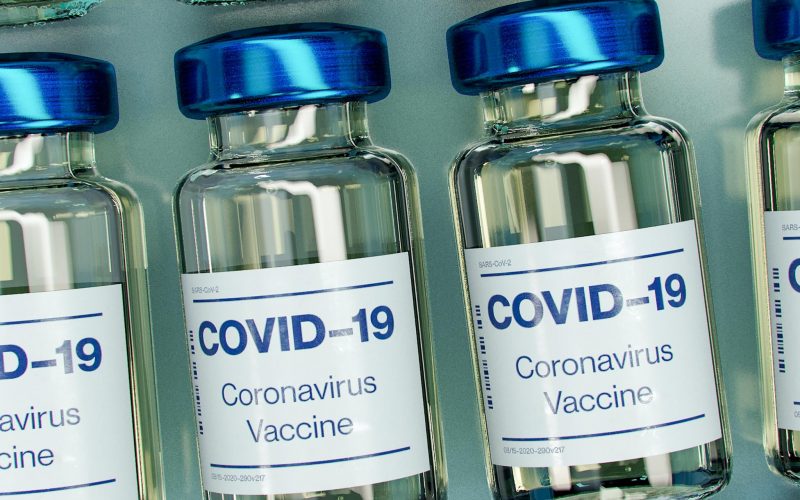
- Mixing and matching the coronavirus vaccines made by Pfizer Inc (NYSE:PFE) – BioNTech SE (NASDAQ:BNTX) and AstraZeneca Plc (NASDAQ:AZN) – Oxford showed a “robust” immune response, reports CNBC.
- Oxford-led Com-COV study that started in February assessed the feasibility of alternating vaccines for the initial “prime” vaccination to the follow-up “booster” vaccination.
- The study found that the immune responses differed according to the immunization order. The Oxford-AstraZeneca shot followed by the Pfizer-BioNTech vaccine generated a better immune response from the two varied schedules.
- Doses of the vaccines were given four weeks apart, with data for a 12-week dose interval due soon.
- The highest antibody response in the new study was seen after the two-dose Pfizer-BioNTech schedule. The researchers noted the highest T-cell response from an Oxford-AstraZeneca shot, followed by Pfizer-BioNTech, without further detail.
- In May, researchers reported preliminary Com-COV data revealed that participants who received a mixed vaccine schedule incurred more frequent reactions than standard non-mixed regimes.
- The University of Oxford is leading the Com-COV study, run by the National Immunization Schedule Evaluation Consortium. It is backed by £7 million ($9.7 million) of government funding from the Vaccines Taskforce.
- In April, the U.K. study of using different COVID-19 vaccines expanded to include vaccines made by Moderna Inc (NASDAQ:MRNA) and Novavax Inc (NASDAQ:NVAX).
- In May, the U.S. NIH also started an early-stage trial to assess what happens when a fully vaccinated adult with one type of COVID-19 vaccine is boosted with a different shot.
UK Study Of COVID-19 Shots Mix-Match Shows Immune Response, Can Add Flexibility To Vaccination Programs: CNBC
Mixing and matching the coronavirus vaccines made by Pfizer Inc (NYSE:PFE) – BioNTech SE (NASDAQ:BNTX) and AstraZeneca Plc (NASDAQ:AZN) – Oxford showed a “robust”…