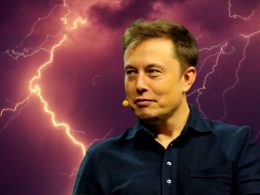
Tesla Inc. (NASDAQ:TSLA) CEO Elon Musk apparently has caused the price of another cryptocurrency to increase.
What Happened: An analysis published by Cointelegraph shows that the number of tweets about the Aave (CRYPTO: AAVE) cryptocurrency skyrocketed one day before the price of the coin sharply increasing.
The reason why is — as with so much else happening in crypto lately — comments from Musk.
Cointelegraph explained that Tesla’s self-crowned technoking’s recent “Saturday Night Live” appearance not only featured Dogecoin (CRYPTO: DOGE) jokes. It also featured a skit that has caused some on social media to cry foul over the use of “African-American Vernacular English,” or AAVE.
Learn more: How to Buy Dogecoin
Accusations of cultural appropriation caused Twitter users to use this acronym way more than before in the days that followed Musk’s appearance.
Price Jump: “As it happens, AAVE (the crypto asset) did indeed soar following the uptick in Twitter volume for the term AAVE (an acronym),” the Cointelegraph report reads.
Aave’s price jumped by nearly 45% from a low of $420 reported on May 11 to a high of $608 on May 13 after Musk’s May 8 “Saturday Night Live” appearance.
Aave is a financial services protocol based on the Ethereum (CRYPTO: ETH) network that lets users borrow and lend assets. AAVE is the system’s governance token that allows its holders to vote on proposals that define future protocol updates.
Photo: Screenshot from “Saturday Night Live”