By M. Marin
NASDAQ:ABVC
READ THE FULL ABVC RESEARCH REPORT
Expanding Asset Portfolio; Clinical Trials Moving Forward
ABVC BioPharma (NASDAQ:ABVC) is a biopharma and medical device company developing therapies for a range of conditions focused on oncology/hematology, central nervous system (CNS) and ophthalmology. The company continues to advance its diversified drug asset portfolio, which includes lead candidates ABV-1505 and Vitargus, which are in advanced stages of development and also have the potential for multiple programs, as well as several assets in earlier stages of development.
ABVC BioPharma raised about $7.3 million in net proceeds earlier this month through an equity offering of 1.1 million units consisting of shares and warrants. The capital raise enhances ABVC’s financial position and flexibility to continue advancing its portfolio of drugs and therapies towards regulatory approval and commercialization, in our view. ABVC has earmarked about $3.5 million to fund clinical trials and intends to use the balance for general corporate purposes, including working capital needs.
Upcoming studies move lead assets closer to expected approvals & commercialization…
ABVC expects to launch a pivotal study in Australia for Vitargus within the next few quarters and also intends to seek a commercialization partner for Vitargus in 2021 to help fund the trial and subsequent expected commercialization. ABVC completed a phase II part I clinical trial for ABV-1505 in ADHD in 2020 and issued a CSR. The company expects to begin phase II part II at medical centers in the U.S. and Taiwan in 2021.
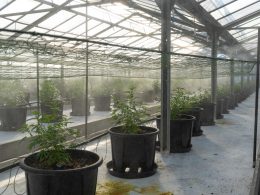
Importantly, ABVC’s products are derived primarily from plants. The company believes that plant-derived medicines can have substantial therapeutic benefits and simultaneously minimize potential side-effects compared to therapies developed from animals or chemicals.
ABVC’s active pipeline, two lead products – ABV-1505 and Vitargus® – are in advanced stages of development, as noted, and also importantly have the potential for multiple programs. For instance, the active ingredient in ABV-1505 (and in ABV-1504 and ABV-1601) is PDC-1421, a botanical investigational new drug (IND). ABVC is evaluating PDC-1421’s efficacy in treating major depressive disorder (MDD).
… while ABVC advances earlier stage candidates
Depression in general is a growing problem globally. ABVC’s clinical trial for the treatment of MDD in cancer patients studying ABV-1601 at Cedars-Sinai Medical Center (CSMC) in Los Angeles has been posted on the CSMC website. ABVC hopes to finalize the CSR by year-end 2021.
ABVC also expects to form a commercial partnership in the U.S. to collaborate the development of ABV-1504 for the treatment of MDD and believes that plant-derived medicines can have substantial therapeutic benefits while simultaneously minimizing potential side-effects compared to current standard of care therapies. Side-effects can include anxiety, sleep disruptions and weight gain, among others.
Trials potentially expected to commence shortly include:
➢ Vitargus®: ABV-1701, Vitargus® in vitrectomy surgery, Pivotal Study in Australia, principal Investigator: Andrew Chang, MD, Ph.D., Sydney Eye Hospital, Australia
➢ ABV-1505: A Phase II part II study in treatment of patients with ADHD
➢ ABV-1501: A Phase I/II, open label study to evaluate the safety and efficacy of BLEX 404 Oral Liquid Combined with Docetaxel Monotherapy in patients with stage IV or recurrent breast cancer patients
➢ ABV-2002: ABVC intends to submit a premarket notification 510(K) submission to the FDA for ABV-2002 to demonstrate that the device is at least as safe and effective as current products on the market
SUBSCRIBE TO ZACKS SMALL CAP RESEARCH to receive our articles and reports emailed directly to you each morning. Please visit our website for additional information on Zacks SCR.
DISCLOSURE: Zacks SCR has received compensation from the issuer directly, from an investment manager, or from an investor relations consulting firm, engaged by the issuer, for providing research coverage for a period of no less than one year. Research articles, as seen here, are part of the service Zacks provides and Zacks receives quarterly payments totaling a maximum fee of $40,000 annually for these services. Full Disclaimer HERE.